In the operating room, visibility is everything.
Yet, surgical lighting is often overlooked, until it becomes a problem.
From subtle shadows to inconsistent illumination, small issues can quickly turn into major limitations during critical procedures.
Here, the 5 most common OR lighting mistakes and how they can impact performance, efficiency, and patient safety.
1. Shadow Interference in Critical Areas
Even minor shadows can affect visibility during delicate procedures.
This often happens when lighting systems are not truly shadowless or lack proper positioning flexibility. This leads to reduced precision and increased surgical difficulty.
2. Inconsistent Light Intensity
Fluctuations in brightness during procedures can force surgeons to constantly adjust, causing disruption in workflow and increased fatigue.
3. Poor Positioning Flexibility (Most Overlooked)
Lighting that cannot be easily adjusted limits the surgical team’s ability to adapt in real time. the consequence is time loss and compromised ergonomics.
4. Surgeon Eye Fatigue
Poor-quality lighting leads to unnecessary strain during long procedures. This leads to reduced concentration and performance over time.
5. Lack of True Shadowless Illumination
Not all “shadowless” systems deliver consistent results across the full surgical field. The impact is uneven visibility in critical moments.
WHAT TO LOOK FOR IN A MODERN SOLUTION
To avoid these issues, surgical lighting systems should provide:
✔️ True shadowless illumination
✔️ Stable and consistent light output
✔️ Ergonomic and flexible positioning
✔️ Reliable performance across procedures
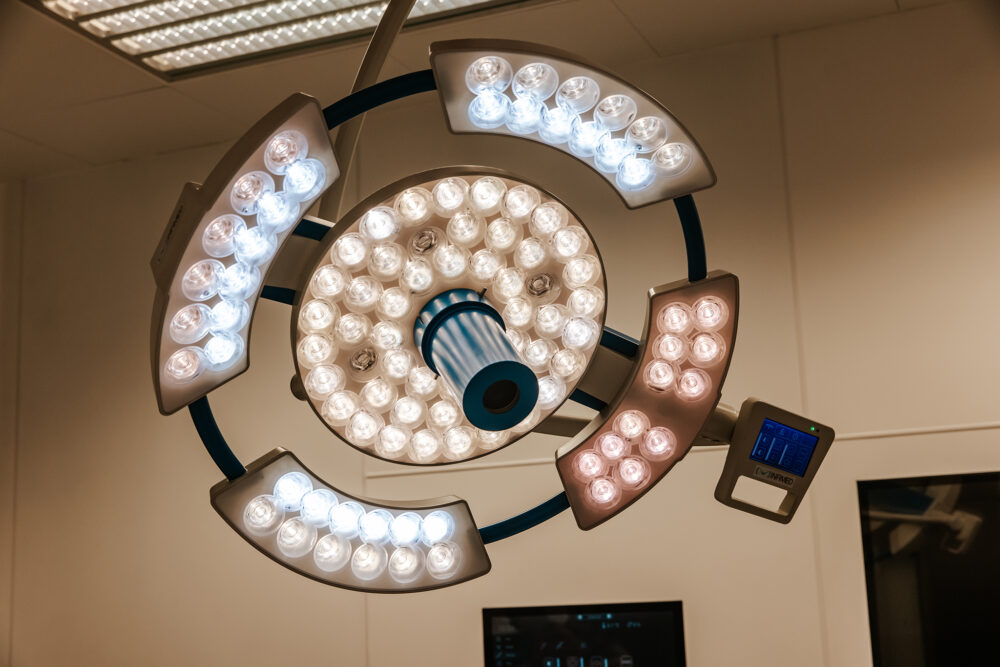
Solutions like INFIMED Surgical Lights are specifically designed to address these challenges and support surgical teams with consistent, high-quality illumination.